
5 Things to Do Before Recording a Podcast
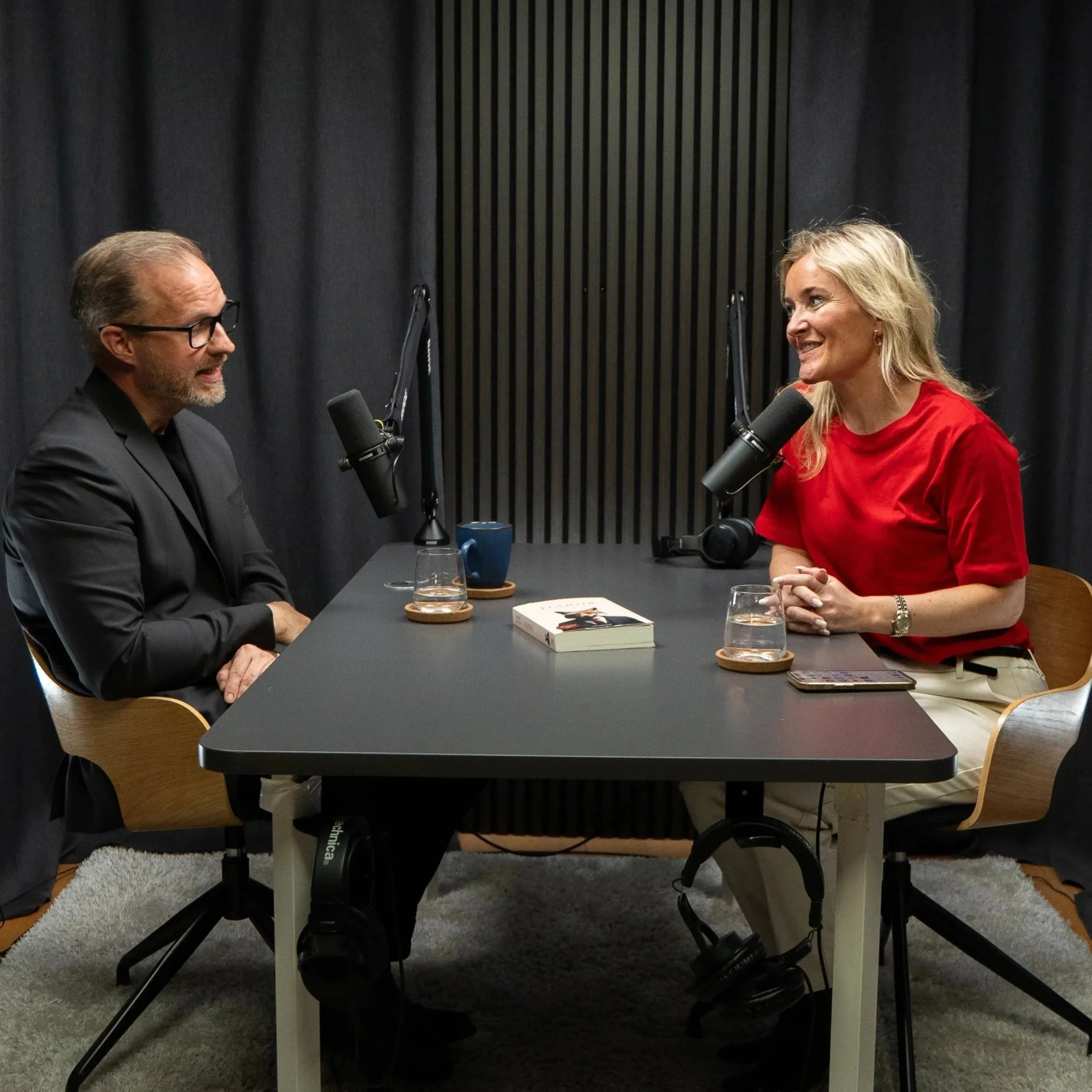
Preparing guests and equipment before recording a podcast episode.
5 Things to Do Before Recording a Podcast
Recording a podcast may seem simple at first glance. You sit down, turn on the microphones and start talking. But anyone who has recorded a few episodes quickly realizes that a little preparation before pressing record can make a big difference.
Taking time to prepare helps the conversation flow more naturally and reduces the need for heavy editing later. Whether you are recording at home or in a podcast studio, a few small steps before the recording can improve both the experience and the final result.
Here are five simple things that can help make a podcast recording smoother and more enjoyable.
1. Clarify the topic of the episode
Before recording begins, it helps to have a clear idea of what the episode is about. This does not mean the entire conversation needs to be scripted, but having a general theme or direction can keep the discussion focused.
Many podcast hosts write down a few key topics or questions they want to cover during the episode. This acts as a loose guide that keeps the conversation moving without making it feel forced.
When the topic is clear from the beginning, the conversation tends to feel more structured and easier for listeners to follow.
2. Prepare your guest
If the episode includes a guest, it can be helpful to briefly discuss the format of the podcast before recording begins. A quick conversation about the topics, the style of the show and the expected length of the episode helps the guest feel more comfortable.
Guests who know what to expect usually relax faster once the recording starts. This often leads to a more natural and engaging conversation.
Many podcast recordings include a few minutes of casual conversation before the microphones are officially turned on, which helps set the tone for the episode.
3. Check the microphones and sound levels
Audio quality plays a major role in how a podcast is experienced. Before starting the recording, it is always a good idea to check that microphones are positioned correctly and that sound levels are balanced.
This does not have to be complicated. A short test recording where everyone speaks for a few seconds can help confirm that the audio sounds clear and natural.
In a professional podcast studio, much of this process is already handled by the recording setup, making it easier for hosts and guests to focus on the conversation.
4. Make sure everyone feels comfortable
Podcasts work best when conversations feel relaxed and natural. If participants feel rushed or uncomfortable, it can affect how the discussion unfolds.
Taking a few minutes before recording to sit down, have a drink of water and talk casually can help everyone settle into the environment.
When the atmosphere is relaxed, participants tend to speak more openly, which often leads to more interesting conversations.
5. Keep the conversation simple
One of the most common challenges for new podcasters is overthinking the recording process. It is easy to feel like everything needs to be perfect from the beginning.
In reality, podcasts often work best when the conversation feels genuine and unscripted. Instead of worrying about every small detail, it can be helpful to approach the episode as a conversation rather than a performance.
Over time, hosts naturally become more comfortable behind the microphone and the recording process becomes easier.
Conclusion
Preparing a podcast does not have to be complicated. A clear topic, a relaxed guest, balanced microphones and a comfortable environment can make a big difference in how the conversation unfolds.
Whether recording at home or in a podcast studio, taking a few minutes to prepare before pressing record can lead to a smoother recording session and a more engaging podcast episode.
In the end, the goal of any podcast is simply to create a conversation that listeners enjoy being part of.
