
How to Start a Podcast in 2026
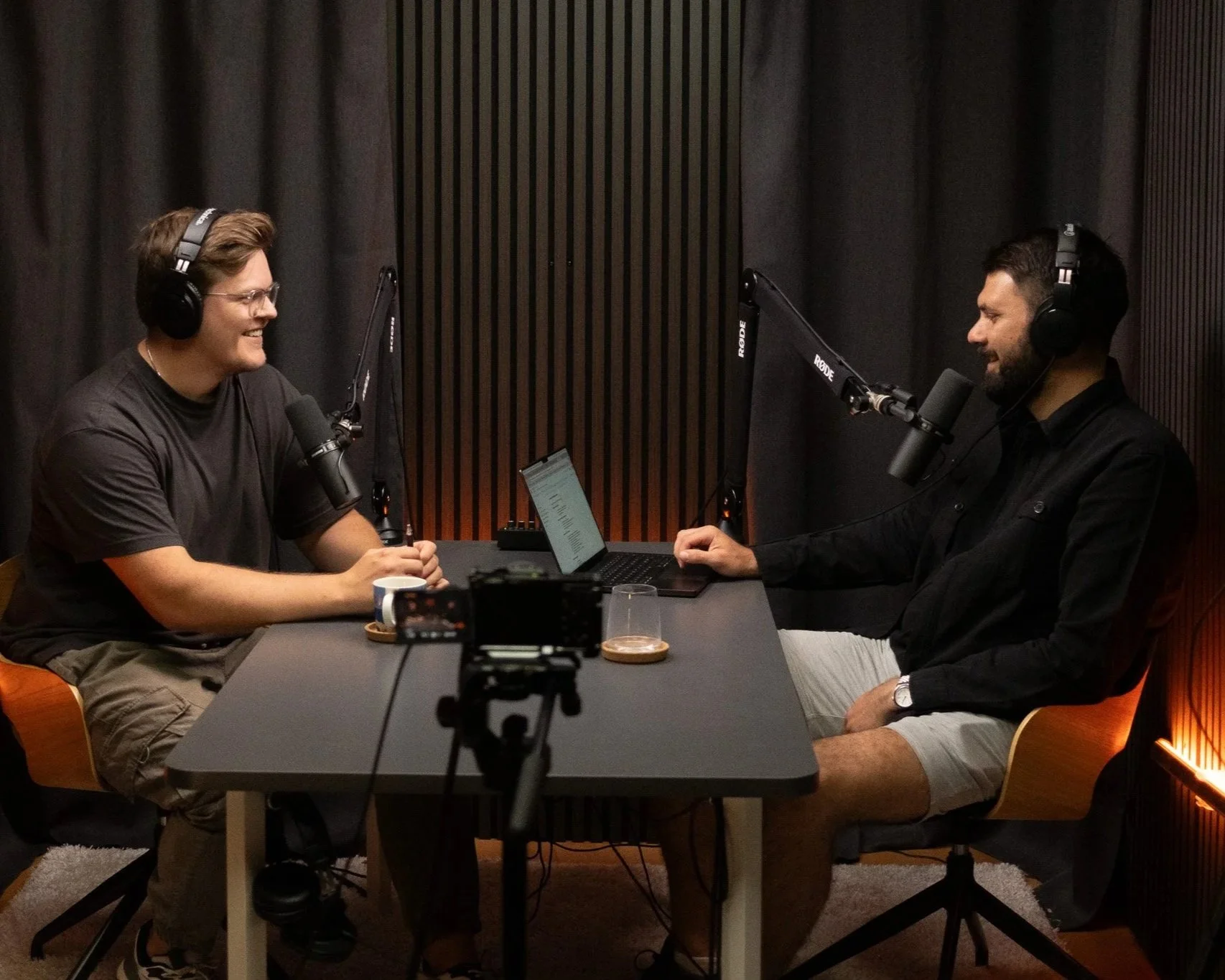
Recording a podcast episode as part of starting a new podcast.
How to Start a Podcast in 2026
Podcasting continues to grow every year, and more creators, entrepreneurs and companies are launching their own shows. Podcasts have become a powerful way to share knowledge, build a personal brand and connect with audiences through real conversations.
If you are thinking about starting a podcast in 2026, the process may seem complicated at first. Equipment, recording, editing and publishing can feel like a lot to figure out.
The good news is that starting a podcast is more accessible than ever. With the right approach and a simple setup, anyone can begin recording and sharing conversations online.
Start with a clear idea
Every podcast begins with an idea. Before thinking about equipment or recording software, it helps to consider what the podcast will actually be about.
Some podcasts focus on interviews, while others center around storytelling, education or discussions between hosts. A clear theme helps listeners understand what they can expect from each episode.
The goal is not to create a perfect concept from the start, but to choose a topic you enjoy talking about and can explore over multiple episodes.
Choose a podcast format
Once the idea is clear, the next step is deciding on the format of the podcast.
Some shows are hosted by a single person speaking directly to the audience. Others include interviews with guests or conversations between multiple hosts.
There is no single format that works for every podcast. The best format is the one that fits the type of conversation you want to create.
Over time, many podcasts naturally evolve as the hosts gain more experience behind the microphone.
Create a simple recording setup
One of the most common misconceptions about podcasting is that you need a complex setup before you can start recording.
In reality, many podcasts begin with a relatively simple setup and improve their production quality gradually. A microphone and a quiet environment can often be enough for the first few episodes.
As the podcast grows, some creators choose to record in a podcast studio or a podcast recording studio to achieve more consistent sound and video quality.
A professional studio environment can simplify the recording process because the equipment and setup are already prepared.
Record your first episodes
Starting a podcast is often about taking the first step. The first few episodes may feel unfamiliar, but that is a natural part of the process.
Many experienced podcasters recommend recording a few episodes before launching the show. This allows hosts to become comfortable with the format and develop their conversational style.
The more episodes you record, the easier the process becomes.
Turn your podcast into multiple pieces of content
In recent years, podcasts have also become a powerful source of content for social media.
A single episode can be turned into multiple short clips that can be shared as reels, shorts or short-form videos across different platforms. These clips often highlight interesting moments from the conversation and can help new audiences discover the podcast.
Because of this, many podcasts today are recorded on video as well as audio.
This approach allows one conversation to generate content for several platforms at the same time.
Stay consistent
One of the most important elements of podcasting is consistency. Audiences tend to connect with podcasts that release episodes regularly.
This does not mean episodes have to be published every week, but maintaining a predictable rhythm helps listeners know when to expect new content.
Consistency also helps hosts improve over time as they become more comfortable with the recording process.
Conclusion
Starting a podcast in 2026 is more accessible than ever. With a clear idea, a simple format and a recording setup that supports your workflow, it is possible to begin creating meaningful conversations and sharing them with the world.
Over time, podcasts often evolve as creators gain more experience and refine their production process. Whether recorded at home or in a professional podcast studio, the most important step is simply getting started and allowing the show to grow naturally.
