
How Long Does It Take to Record a Podcast Episode?
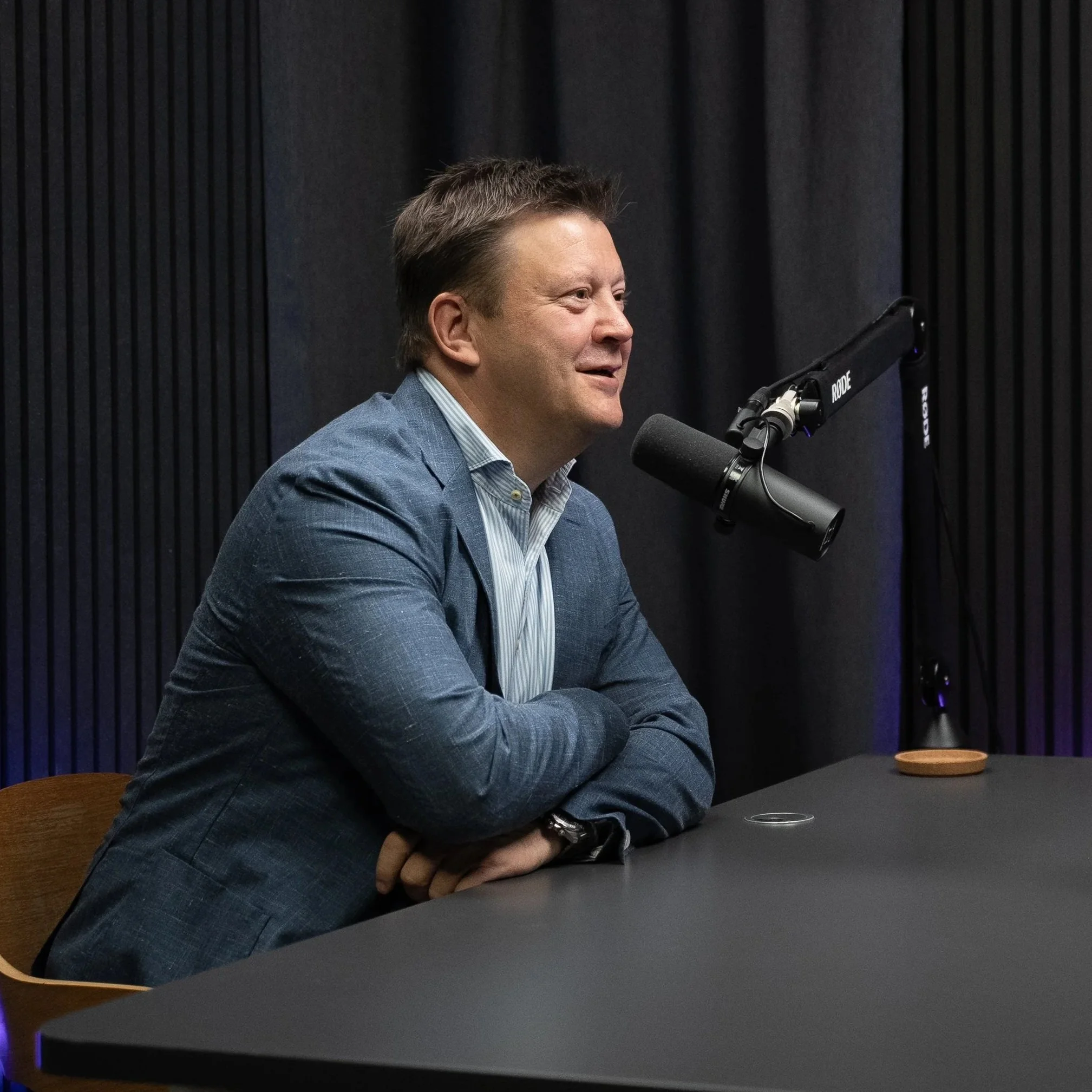
Podcast recording session in a professional podcast studio environment.
How Long Does It Take to Record a Podcast Episode?
One of the questions many people ask before recording their first podcast is how long the recording process actually takes. While the length of a podcast episode can vary widely, the time needed to record it is often a little longer than people expect.
Podcast recording is not only about pressing the record button. There is usually time needed before and after the conversation for preparation, setup and wrapping up the session.
From our experience working in a podcast studio, most podcast recordings take between one and two hours, depending on the format of the show and the number of participants involved.
Preparing before the recording
Before a podcast episode begins, hosts and guests often take some time to get comfortable and settle into the conversation.
This preparation can include setting up microphones, adjusting the seating arrangement and discussing the general direction of the episode. Many podcast hosts also like to briefly talk with their guest before recording begins, which helps create a more relaxed atmosphere once the conversation starts.
Taking a few minutes for preparation often leads to a smoother and more natural recording.
The actual recording
The recording itself can vary depending on the style of the podcast. Some episodes are relatively short and focused, while others develop into longer conversations that explore a topic in depth.
Many podcasts fall somewhere between 30 and 60 minutes in length. This range allows enough time for meaningful discussion while still keeping the episode manageable for listeners.
For podcasts that involve interviews or storytelling, conversations can sometimes run longer. In these situations, having enough time set aside for recording becomes even more important.
Allowing time for a relaxed conversation
One of the biggest advantages of recording in a podcast recording studio is having a structured time slot for the session.
In many studios, sessions are scheduled with enough time to allow hosts and guests to arrive, settle in and record the conversation without feeling rushed. When participants feel relaxed, the discussion tends to flow more naturally.
Trying to record a full podcast episode in a very tight time frame can sometimes create unnecessary pressure during the conversation.
Recording multiple episodes in one session
Some podcasters also choose to record more than one episode during a single session. This approach can be efficient for creators who want to prepare content in advance.
For example, recording two shorter episodes during the same session can provide several weeks of content. This method is often used by podcasts that follow a regular publishing schedule.
Recording multiple episodes at once can be easier in a studio environment where the equipment and setup remain consistent throughout the session.
Why timing matters
The length of the recording session can influence the overall quality of the podcast. When there is enough time available, hosts and guests can focus on the conversation rather than worrying about the clock.
A relaxed recording environment often leads to more authentic discussions, which is one of the reasons podcasts have become such a popular format for sharing ideas and experiences.
Whether a podcast lasts 30 minutes or over an hour, the most important factor is creating space for a natural and engaging conversation.
Conclusion
The time needed to record a podcast episode depends on the format, the number of participants and the depth of the conversation. While many podcast episodes last between 30 and 60 minutes, the total recording session is often longer to allow time for preparation and a relaxed workflow.
Recording in a professional podcast studio or podcast recording studio can help make the process smoother by providing a controlled environment where hosts and guests can focus entirely on the conversation.
With the right amount of time and preparation, podcast recordings become both more enjoyable for participants and more engaging for listeners.
